
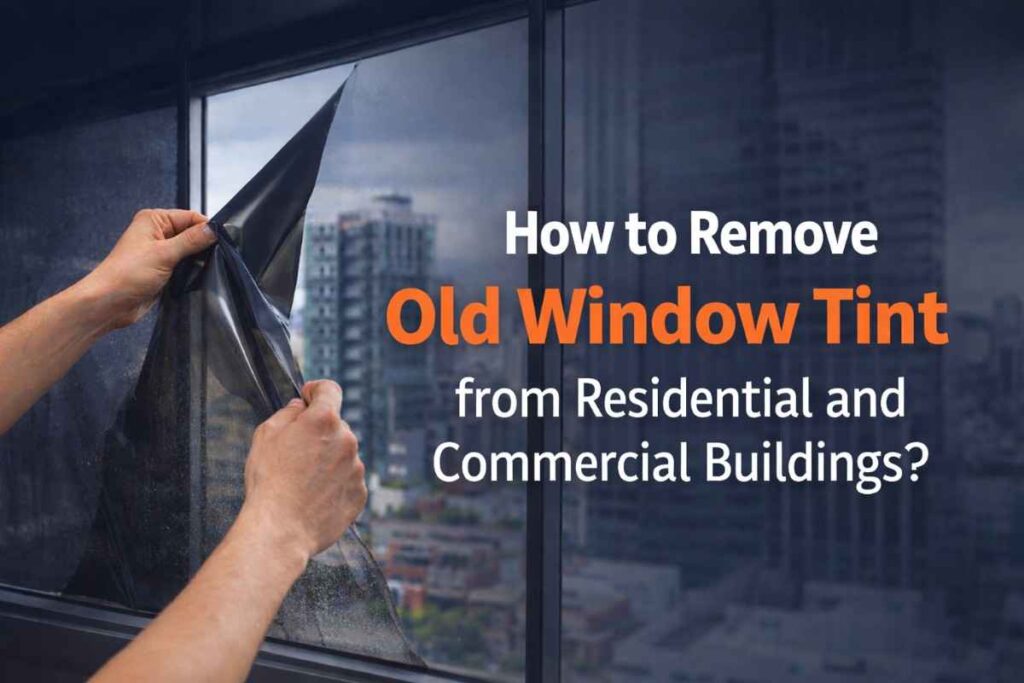
Over time, window tint on homes and commercial buildings can fade, bubble, discolor, or lose its effectiveness. Whether you’re upgrading to modern energy-efficient film or dealing with peeling tint that looks unattractive, proper removal is essential.
But removing old window tint from residential or commercial glass isn’t as simple as just pulling it off.
If done incorrectly, you can damage glass, leave adhesive residue, or create costly repairs.
In this complete guide, you’ll learn:
- Why old window tint needs removal
- Tools required for safe removal
- Step-by-step removal methods
- Differences between residential and commercial glass
- Common mistakes to avoid
- When to hire professionals
Why Remove Old Window Tint?
Old or failing window film can cause several issues:
✔ Bubbling and peeling
✔ Purple or faded appearance
✔ Reduced visibility
✔ Decreased energy efficiency
✔ Outdated aesthetics
In commercial spaces, deteriorating tint can negatively affect a business’s professional appearance. In homes, old film can reduce natural light and make windows look cloudy.
If you’re planning to upgrade, modern architectural films provide better UV protection, energy efficiency, and clarity.
For homeowners, explore professional options here:
👉 https://autocraftcustomz.com/residential-window-tinting-auburn/
For businesses, learn more about commercial solutions here:
👉 https://autocraftcustomz.com/commercial-window-tinting-auburn/
How to Identify When Tint Needs Removal
You should consider removing tint if you notice:
- Persistent air bubbles
- Edge lifting
- Adhesive breakdown
- Cracking film
- Discoloration
- Distorted view through glass
Bubbling is often the first visible sign of adhesive failure. To understand what causes bubbling in window film, read this helpful guide:
👉 https://autocraftcustomz.com/what-causes-window-tint-bubbles-to-form-and-how-do-you-fix-them/
Once adhesive begins failing, replacement is typically the only long-term solution.
Tools Needed for Window Tint Removal
Before starting, gather:
- Spray bottle with warm soapy water or ammonia solution
- Razor blade or glass scraper
- Plastic scraper (for delicate surfaces)
- Garbage bags or plastic sheets
- Microfiber cloth
- Heat gun or steamer
- Adhesive remover
⚠️ Always wear gloves and ensure proper ventilation, especially when using ammonia.
Method 1: The Steam Removal Method (Safest & Most Effective)
This is the most recommended technique for residential and commercial tint removal.
Step-by-Step:
1️⃣ Heat the glass using a fabric steamer or wallpaper steamer.
2️⃣ Focus on one corner of the tint film.
3️⃣ Gently lift the edge using a razor blade.
4️⃣ Slowly peel while continuing to apply steam.
5️⃣ Remove adhesive residue with cleaner and scraper.
Why Steam Works:
- Softens adhesive
- Reduces risk of tearing
- Minimizes residue
- Safer for large commercial glass panels
Steam is especially effective for older films that have hardened over time.
Method 2: The Ammonia & Sunlight Method
This method works best in warm weather.
Step-by-Step:
1️⃣ Spray ammonia solution generously on the tint.
2️⃣ Cover with plastic sheet to trap moisture.
3️⃣ Let sit in sunlight for 1–2 hours.
4️⃣ Peel film carefully.
5️⃣ Remove leftover adhesive with scraper.
⚠️ Ensure good ventilation. Ammonia fumes can be strong indoors.
This method is commonly used for residential window tint removal.
Method 3: Heat Gun Method
A heat gun can soften adhesive, but it requires caution.
1️⃣ Apply moderate heat evenly across the film.
2️⃣ Lift a corner carefully.
3️⃣ Slowly peel while maintaining gentle heat.
⚠️ Do not overheat glass — excessive heat can cause cracking, especially in double-pane residential windows.
Removing Adhesive Residue
Even after peeling the film, adhesive often remains.
To remove residue:
✔ Spray adhesive remover
✔ Let it soak for several minutes
✔ Use razor blade carefully at a shallow angle
✔ Wipe clean with microfiber cloth
Take extra care with commercial storefront glass and residential insulated glass units.
Residential vs Commercial Window Tint Removal
Residential Windows
Challenges:
- Double-pane or insulated glass
- Risk of seal damage
- Interior furnishings nearby
Care must be taken to avoid damaging window seals or scratching decorative glass.
If you’re upgrading after removal, modern residential films can improve comfort and lower energy bills:
👉 https://autocraftcustomz.com/residential-window-tinting-auburn/
Commercial Windows
Challenges:
- Large glass panels
- High installation height
- Stronger adhesive (security film)
- Multiple layers
Commercial tint removal may require professional-grade equipment due to the scale of the project.
Businesses looking to enhance privacy, reduce glare, and improve energy efficiency can explore commercial solutions here:
👉 https://autocraftcustomz.com/commercial-window-tinting-auburn/
Common Mistakes to Avoid
❌ Pulling film off dry
❌ Using excessive force
❌ Scraping at steep angles
❌ Overheating glass
❌ Damaging window seals
❌ Ignoring safety precautions
Improper removal can result in:
- Scratched glass
- Damaged window seals
- Broken panes
- Increased replacement costs
When Should You Hire a Professional?
DIY removal may work for small residential windows. However, professional help is recommended if:
✔ Film is extremely old and brittle
✔ Adhesive is heavily bonded
✔ Glass panels are large or high
✔ Commercial property is involved
✔ You plan to install new film immediately
Professionals use:
- Industrial steamers
- Safe adhesive removers
- Precision scraping tools
- Controlled removal techniques
For expert assistance or to schedule a consultation, contact here:
👉 https://autocraftcustomz.com/contact/
After Tint Removal: What’s Next?
Once old tint is removed, many property owners choose to upgrade to modern window films.
Modern architectural films offer:
✔ Energy efficiency
✔ Heat rejection
✔ UV protection
✔ Enhanced privacy
✔ Improved building aesthetics
Replacing outdated film with advanced solar-control film can significantly improve comfort while reducing cooling costs.
How Long Does Tint Removal Take?
- Small residential window: 30–60 minutes
- Full home: Several hours
- Commercial building: 1–2 days depending on size
Time depends on film age, adhesive strength, and window size.
Is Removing Old Tint Worth It?
Absolutely.
Old tint can:
- Reduce energy efficiency
- Decrease property value
- Create an unprofessional appearance
- Affect visibility
Removing deteriorated tint and upgrading to modern film restores clarity, comfort, and performance.
Final Thoughts
Removing old window tint from residential and commercial buildings requires patience, proper tools, and careful technique.
While DIY methods can work for small projects, larger jobs — especially commercial properties — often benefit from professional expertise.
If your windows are bubbling, fading, or peeling, it may be time for removal and replacement.
For professional guidance on residential or commercial window tinting, reach out here:
👉 https://autocraftcustomz.com/contact/
Proper removal ensures your glass is ready for modern, high-performance window film that improves comfort, efficiency, and appearance for years to come.