
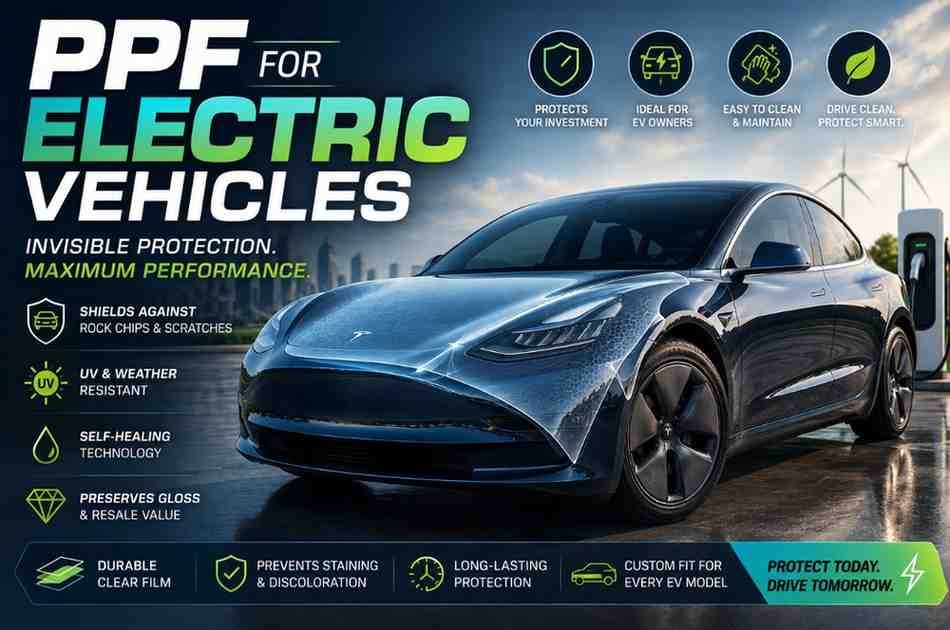
Electric vehicles (EVs) are changing the way we drive. With instant torque, advanced technology, and sleek aerodynamic designs, models like the Tesla Model Y, Tesla Model 3, Rivian R1T, Rivian R1S, Ford Mustang Mach-E, Hyundai IONIQ 5, Kia EV6, Lucid Air, and many others have become increasingly popular across Washington State.
As EV ownership continues to grow, many owners ask the same question:
“Does my electric vehicle really need Paint Protection Film (PPF)?”
For many drivers, the answer is yes.
While EVs don’t require oil changes or many of the maintenance tasks associated with traditional gas-powered vehicles, their paint is still exposed to the same hazards every day. Rock chips, road debris, bug splatter, bird droppings, tree sap, road salt, and UV exposure can all damage your vehicle’s finish over time.
Paint Protection Film provides an extra layer of defense that helps preserve your vehicle’s factory paint and keeps it looking newer for longer.
What Is Paint Protection Film?
Paint Protection Film (PPF) is a transparent, durable polyurethane film professionally applied to painted surfaces.
It acts as a sacrificial barrier between your vehicle’s paint and the outside world.
Modern premium PPF offers protection against:
- Rock chips
- Road debris
- Minor scratches
- Bug splatter
- Bird droppings
- Tree sap
- Road salt
- UV exposure
- Light abrasions
Many premium films also feature self-healing technology, allowing light surface scratches to disappear when exposed to heat.
If you’re new to PPF, start with our complete guide:
👉 What Is Paint Protection Film? A PPF Guide for Car Owners
Why Electric Vehicles Benefit from Paint Protection Film
EVs Spend More Time on Highways
Many electric vehicle owners use their cars for daily commuting or long-distance travel.
Highway driving increases exposure to:
- Gravel
- Road debris
- Loose stones
- Tire spray
- Construction zones
The faster you drive, the greater the chance of paint damage on the front of your vehicle.
PPF helps absorb these impacts before they reach your paint.
EV Designs Are Highly Aerodynamic
Modern EVs are engineered for efficiency.
Their aerodynamic front ends, sloping hoods, and sculpted bumpers improve range—but they also place more painted surfaces directly in the path of flying road debris.
Areas commonly protected with PPF include:
- Front bumper
- Hood
- Front fenders
- Side mirrors
- Rocker panels
- Rear wheel impact areas
Original Paint Is Worth Protecting
Factory paint contributes to your vehicle’s appearance and long-term value.
Once paint is chipped or damaged, repairs often require repainting, which may not perfectly match the original finish.
Paint Protection Film helps preserve the factory paint by taking the abuse instead.
Many EV Owners Plan to Keep Their Vehicles Longer
Because electric vehicles have fewer moving parts than traditional gasoline vehicles, many owners plan to drive them for years.
Protecting the paint early can help maintain your vehicle’s appearance throughout long-term ownership.
Best PPF Packages for Electric Vehicles
Different drivers have different needs.
Here are the most common Paint Protection Film packages.
Front Package
Typically includes:
- Front bumper
- Hood
- Front fenders
- Side mirrors
Perfect for daily drivers and commuters.
Track or Extended Coverage Package
Adds protection for:
- Rocker panels
- Lower doors
- Rear wheel impact areas
Ideal for drivers who spend a lot of time on highways.
Full Body Paint Protection Film
Protects nearly every painted exterior panel.
Recommended for:
- New EV purchases
- Luxury electric vehicles
- Collector vehicles
- Long-term ownership
- Owners who want maximum protection
Which Electric Vehicles Benefit Most from PPF?
While virtually any EV can benefit, Paint Protection Film is especially popular for:
- Tesla Model 3
- Tesla Model Y
- Tesla Model S
- Tesla Model X
If you own a Tesla, you may also want to explore our guide to choosing the best Tesla Paint Protection Film package.
- Rivian R1T
- Rivian R1S
- Ford Mustang Mach-E
- Hyundai IONIQ 5
- Hyundai IONIQ 6
- Kia EV6
- Lucid Air
- Polestar 2
- Chevrolet Equinox EV
- Chevrolet Blazer EV
- Cadillac Lyriq
No matter which EV you drive, protecting the paint helps preserve its appearance and reduce cosmetic damage from everyday driving.
PPF vs. Ceramic Coating for EVs
Many EV owners compare Paint Protection Film with ceramic coating.
If you’re deciding between the two, see our guide comparing ceramic coating vs. Paint Protection Film (PPF) to understand which option best fits your driving habits and protection goals.
| Feature | Paint Protection Film | Ceramic Coating |
| Rock Chip Protection | ✔ Excellent | ✘ No |
| Scratch Resistance | ✔ Excellent | Limited |
| Self-Healing | ✔ Yes (Premium Films) | ✘ No |
| UV Protection | ✔ Yes | ✔ Yes |
| Hydrophobic Properties | ✔ Good | ✔ Excellent |
| Easier Washing | ✔ Yes | ✔ Excellent |
| Gloss Enhancement | ✔ Excellent | ✔ Excellent |
Many AutoCraft Customz customers choose both.
PPF protects against physical damage, while ceramic coating makes the vehicle easier to clean and enhances gloss.
How Much Does EV PPF Cost?
The cost depends on:
- Vehicle size
- Coverage package
- Film brand
- Installation complexity
- Paint condition
Typical U.S. price ranges include:
| Package | Estimated Cost |
| Front Bumper | $500–$1,200 |
| Full Front Package | $1,500–$2,500 |
| Extended Coverage | $2,500–$4,000 |
| Full Body PPF | $5,000–$9,000+ |
For a complete pricing breakdown, read our Paint Protection Film Cost 2026 guide.
Why Professional Installation Matters
Even the highest-quality film won’t perform well if it’s poorly installed.
Professional installation helps ensure:
- Clean edges
- Precise alignment
- Minimal seams
- Long-lasting adhesion
- Nearly invisible appearance
Choosing an experienced Paint Protection Film installer helps protect both your investment and your vehicle’s finish.
Protect Your EV with AutoCraft Customz
Whether you drive a Tesla, Rivian, Lucid, Ford Mustang Mach-E, Hyundai IONIQ 5, or another EV, our experienced team provides precise installations using high-quality materials designed to protect your investment.
At AutoCraft Customz, we provide professional Paint Protection Film installation for drivers throughout Auburn, Kent, Renton, Federal Way, Covington, Tacoma, and surrounding communities. We use premium films and precision installation techniques to deliver durable protection with a clean, factory-quality finish.
Request a free Paint Protection Film estimate and let our team recommend the ideal protection package for your EV.
Frequently Asked Questions
Is Paint Protection Film worth it for electric vehicles?
For many EV owners, yes. If you want to reduce the risk of rock chips, preserve your factory paint, and maintain your vehicle’s appearance over time, PPF is one of the most effective protection options available.
Does PPF reduce EV efficiency?
No.
Paint Protection Film is extremely thin and has no meaningful impact on the vehicle’s aerodynamics, range, or energy efficiency.
Can ceramic coating replace Paint Protection Film?
No.
Ceramic coating protects against UV rays and environmental contaminants but does not provide the impact resistance needed to prevent rock chips.
How long does Paint Protection Film last?
Most premium PPF products last 5–10 years with proper care and maintenance.